edHelper.com
Animal Themes
Insects


Dung Beetles


Dung Beetles
Reading Level
     edHelper's suggested reading level:   grades 3 to 6
     Flesch-Kincaid grade level:   8.33

Vocabulary
     challenging words:    beetles, benefits, droppings, dwellers, hence, larva, lays, species, manure, directly, mainly, packing, underground, deposit, thus, kingdom


Print Dung Beetles
edHelper.com subscriber options:
     Print Dung Beetles  (font options, pick words for additional puzzles, and more)

     Quickly print reading comprehension

     Print a proofreading activity


Feedback on Dung Beetles
     Leave your feedback on Dung Beetles  (use this link if you found an error in the story)


Other Languages
     Spanish: Escarabajo del Estiércol


Dung Beetles   

1     In the animal kingdom, there is one animal that takes the saying "One person's junk is another person's treasure" to the extreme. That animal is the dung beetle.
 
2     As their name suggests, dung beetles love manure, the smelliest and the dirtiest junk that any animal can produce! "Yuck!" maybe the reaction that most of us have upon learning dung beetles' peculiar taste. Yet, this specific habit of dung beetles is so pivotal that Earth would look completely different without them. Here are the benefits that dung beetles bring to our planet, to name just a few:
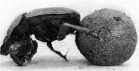
3     With over 7,000 species on all continents except Antarctica, dung beetles can be divided into three groups -- rollers, tunnellers, and dwellers. Both rollers and tunnellers are famous for making "brood balls" out of dung. What separates rollers from tunnellers is where they live. Rollers build underground homes (or burrows) away from dung. Hence, after packing animal waste into a ball, they must roll it home. Tunnellers, on the contrary, construct their burrows either directly beneath or near the edge of dung, so they don't have to travel for a distance to put away their brood balls.

Paragraphs 4 to 6:
For the complete story with questions: click here for printable


Copyright © 2008 edHelper