
Worksheets and No Prep Teaching Resources
Reading Comprehension Worksheets
Animal Themes
Reptiles
Rain Forest
Animal Themes
|
Worksheets and No Prep Teaching Resources Reading Comprehension Worksheets Animal Themes Reptiles Rain Forest |
Animal Themes |
| edHelper's suggested reading level: | grades 7 to 10 | |
| Flesch-Kincaid grade level: | 8.43 |
| Chameleons |
|
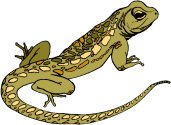 1 When we think about chameleons, the first thing that comes to mind is probably their skill in camouflage. Indeed, it is widely believed that chameleons can change their colors to fit the environment they are in. Yet, if we put this theory to the test, we would be disappointed. It turns out that chameleons do not adjust their colors to blend in with their surroundings. Rather, lights, temperatures, and their emotions are the three triggers that cause chameleons to change their color.
 |
Create Weekly Reading Books
Prepare for an entire week at once! |
| Leave your feedback on Chameleons (use this link if you found an error in the story) |
|
Animal Themes
|
 |
Reptiles
|
 |
Rain Forest
|
|
|