
Worksheets and No Prep Teaching Resources
Reading Comprehension Worksheets
Animal Themes
Birds
Oceans
Animal Themes
|
Worksheets and No Prep Teaching Resources Reading Comprehension Worksheets Animal Themes Birds Oceans |
Animal Themes |
| edHelper's suggested reading level: | grades 5 to 7 | |
| Flesch-Kincaid grade level: | 5.64 |
| Gulls |
|
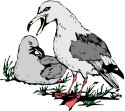 1 Noisy and abrasive, gulls are bullies. They pick on birds of a smaller size so they can devour their victims' eggs and chicks. They circle around people eyeing our food and waiting for a chance to come and snatch any scrap they can get. They make a mess when they gather together near garbage dumps to scavenge for something edible. All told, gulls are aggressive feeders. They dine on anything they can eat. Hence, eggs, young birds, fish, crabs, worms, reptiles, amphibians, and even rubbish are all on their menu. Sometimes their quest for food leads them to fly through airfields. Gulls can damage aircraft and pose threats to the passengers on board.
 |
Create Weekly Reading Books
Prepare for an entire week at once! |
| Leave your feedback on Gulls (use this link if you found an error in the story) |
|
Animal Themes
|
 |
Birds
|
 |
Oceans
|
|
|