
Worksheets and No Prep Teaching Resources
Reading Comprehension Worksheets
Animal Themes
Transportation
Animal Themes
|
Worksheets and No Prep Teaching Resources Reading Comprehension Worksheets Animal Themes Transportation |
Animal Themes |
| edHelper's suggested reading level: | grades 4 to 6 | |
| Flesch-Kincaid grade level: | 6.07 |
| Animals of Unusual Locomotion |
|
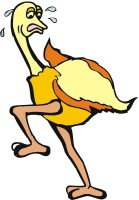 1 Birds fly, fish swim, and snakes crawl. While these represent the general impressions we have of animals and their ways of moving around, they are not always true. As we investigate the locomotion of each and every animal, we will find many exceptions. Here are some examples.
 |
Create Weekly Reading Books
Prepare for an entire week at once! |
| Leave your feedback on Animals of Unusual Locomotion (use this link if you found an error in the story) |
|
Animal Themes
|
 |
Transportation
|