
Worksheets and No Prep Teaching Resources
Reading Comprehension Worksheets
Animal Themes
Mammals
Deserts
Animal Themes
|
Worksheets and No Prep Teaching Resources Reading Comprehension Worksheets Animal Themes Mammals Deserts |
Animal Themes |
| edHelper's suggested reading level: | grades 7 to 9 | |
| Flesch-Kincaid grade level: | 7.7 |
| Camels |
|
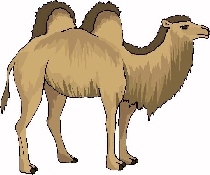 1 Known as "ships of the desert", camels have been used for transporting goods across deserts for thousands of years. In fact, camels are the only desert animals that can carry heavy loads of goods and travel for a long period of time without food or water. Transportation, however, is not the only benefit that camels can offer us. Desert people also rely on camels for their milk, meat, and fur. Even camels' droppings are useful - desert people use camels' manure as fuel.
 |
Create Weekly Reading Books
Prepare for an entire week at once! |
| Leave your feedback on Camels (use this link if you found an error in the story) |
|
Animal Themes
|
 |
Mammals
|
 |
Deserts
|
|
|