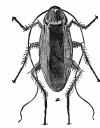
| 1. |
fly | This insect is also called a lightning bug. It is often seen in meadows on late spring and summer nights. |  | This insect looks like a butterfly. To tell this insect from a butterfly, we can observe its antennae. This insect's antennae are featherlike. |  | This type of insect flies from one flower to another to collect nectar. |  | This insect can be found everywhere! It is a pest because it spreads diseases. It feeds on plants, animals, and rotting food. This insect has one pair of wings. This insect's claws and sticky pads on the bottom of its feet make it an excellent climber - it can even walk upside-down on a smooth surface! |
|
|
| 2. |
ladybug| | This dark brown colored insect is a household pest! Its body is in oval shape, and it loves hiding in dark places. | | | This small insect, also called a ladybird beetle, is a member of the beetle family. Its shape is like half of a ball - round above and flat below. Some of them wear a red or yellow coat decorated with spots in black. | | | This insect is a pest spreading diseases like malaria and yellow fever! It has long, slender wings and a narrow body. The female of this insect sucks blood and the male eats nectar and water. When this insect bites, it causes swelling and irritation. | | | This beautiful insect is known for its brightly colored wings. Its favorite food is sugary liquids like nectar and fruit juices. When it rests, it holds its wings upright. |
|
|
| 3. |
cricket| | This insect loves singing by rubbing rough patches on its wings together, or by rubbing its back legs against its wings. It is an excellent leaper, thanks to its powerful back legs. An outdoor game, played with a ball and bat between two teams of 11 players each, has the same name as this insect. This game is very popular in England, Australia, India, and many other countries. | | | This tiny insect is known for its great strength of carrying objects much heavier than its own weight. It lives in highly organized societies called colonies - the queen is in charge of laying eggs; her mates do not carry any significant social roles other than mating with the queen, and the workers are responsible for fetching food and running errands. | | | This small insect, also called a ladybird beetle, is a member of the beetle family. Its shape is like half of a ball - round above and flat below. Some of them wear a red or yellow coat decorated with spots in black. | | | The nest of this insect is a large mound with chimneys that tower high above the ground. Its favorite food is wood! It is a household pest because they can eat away our furniture or even our house. |
|
|
| 4. |
ant| | This insect can be found everywhere! It is a pest because it spreads diseases. It feeds on plants, animals, and rotting food. This insect has one pair of wings. This insect's claws and sticky pads on the bottom of its feet make it an excellent climber - it can even walk upside-down on a smooth surface! | | | This insect loves singing by rubbing rough patches on its wings together, or by rubbing its back legs against its wings. It is an excellent leaper, thanks to its powerful back legs. An outdoor game, played with a ball and bat between two teams of 11 players each, has the same name as this insect. This game is very popular in England, Australia, India, and many other countries. | | | This tiny insect is known for its great strength of carrying objects much heavier than its own weight. It lives in highly organized societies called colonies - the queen is in charge of laying eggs; her mates do not carry any significant social roles other than mating with the queen, and the workers are responsible for fetching food and running errands. | | | This insect has long, slim body and two pairs of wings. It often darts along the riverbank to search for food. It has compound eyes that cover most of its head. Its eyes are the largest of any insect. Its close relative, the damselfly, is smaller and flies slower than this insect. |
|
|
| 5. |
mosquito| | This tiny insect is known for its great strength of carrying objects much heavier than its own weight. It lives in highly organized societies called colonies - the queen is in charge of laying eggs; her mates do not carry any significant social roles other than mating with the queen, and the workers are responsible for fetching food and running errands. | | | This wingless insect is very small, and it sucks blood. It can often be found on the skin of dogs, cats, or other mammals. | | | With about 350,000 different species, the common name of this insect makes up for the largest group of insects. Ladybugs belong to this group of insects. | | | This insect is a pest spreading diseases like malaria and yellow fever! It has long, slender wings and a narrow body. The female of this insect sucks blood and the male eats nectar and water. When this insect bites, it causes swelling and irritation. |
|
|
| 6. |
termite| | The nest of this insect is a large mound with chimneys that tower high above the ground. Its favorite food is wood! It is a household pest because they can eat away our furniture or even our house. | | | This insect is a pest spreading diseases like malaria and yellow fever! It has long, slender wings and a narrow body. The female of this insect sucks blood and the male eats nectar and water. When this insect bites, it causes swelling and irritation. | | | This beautiful insect is known for its brightly colored wings. Its favorite food is sugary liquids like nectar and fruit juices. When it rests, it holds its wings upright. | | | This insect has long, slim body and two pairs of wings. It often darts along the riverbank to search for food. It has compound eyes that cover most of its head. Its eyes are the largest of any insect. Its close relative, the damselfly, is smaller and flies slower than this insect. |
|
|
| 7. |
flea| | This dark brown colored insect is a household pest! Its body is in oval shape, and it loves hiding in dark places. | | | This type of insect flies from one flower to another to collect nectar. | | | This wingless insect is very small, and it sucks blood. It can often be found on the skin of dogs, cats, or other mammals. | | | This small insect, also called a ladybird beetle, is a member of the beetle family. Its shape is like half of a ball - round above and flat below. Some of them wear a red or yellow coat decorated with spots in black. |
|
|
| 8. |
bee| | With about 350,000 different species, the common name of this insect makes up for the largest group of insects. Ladybugs belong to this group of insects. | | | This type of insect flies from one flower to another to collect nectar. | | | This insect loves singing by rubbing rough patches on its wings together, or by rubbing its back legs against its wings. It is an excellent leaper, thanks to its powerful back legs. An outdoor game, played with a ball and bat between two teams of 11 players each, has the same name as this insect. This game is very popular in England, Australia, India, and many other countries. | | | The nest of this insect is a large mound with chimneys that tower high above the ground. Its favorite food is wood! It is a household pest because they can eat away our furniture or even our house. |
|
|
| 9. |
moth| | This insect is also called a lightning bug. It is often seen in meadows on late spring and summer nights. | | | This insect looks like a butterfly. To tell this insect from a butterfly, we can observe its antennae. This insect's antennae are featherlike. | | | This insect can be found everywhere! It is a pest because it spreads diseases. It feeds on plants, animals, and rotting food. This insect has one pair of wings. This insect's claws and sticky pads on the bottom of its feet make it an excellent climber - it can even walk upside-down on a smooth surface! | | | This wingless insect is very small, and it sucks blood. It can often be found on the skin of dogs, cats, or other mammals. |
|
|
| 10. |
dragonfly| | This insect looks like a butterfly. To tell this insect from a butterfly, we can observe its antennae. This insect's antennae are featherlike. | | | This insect has long, slim body and two pairs of wings. It often darts along the riverbank to search for food. It has compound eyes that cover most of its head. Its eyes are the largest of any insect. Its close relative, the damselfly, is smaller and flies slower than this insect. | | | This type of insect flies from one flower to another to collect nectar. | | | This insect looks like a butterfly. To tell this insect from a butterfly, we can observe its antennae. This insect's antennae are featherlike. |
|
|
| 11. |
firefly| | This tiny insect is known for its great strength of carrying objects much heavier than its own weight. It lives in highly organized societies called colonies - the queen is in charge of laying eggs; her mates do not carry any significant social roles other than mating with the queen, and the workers are responsible for fetching food and running errands. | | | This wingless insect is very small, and it sucks blood. It can often be found on the skin of dogs, cats, or other mammals. | | | This insect is also called a lightning bug. It is often seen in meadows on late spring and summer nights. | | | This insect has long, slim body and two pairs of wings. It often darts along the riverbank to search for food. It has compound eyes that cover most of its head. Its eyes are the largest of any insect. Its close relative, the damselfly, is smaller and flies slower than this insect. |
|
|
| 12. |
butterfly| | This dark brown colored insect is a household pest! Its body is in oval shape, and it loves hiding in dark places. | | | The nest of this insect is a large mound with chimneys that tower high above the ground. Its favorite food is wood! It is a household pest because they can eat away our furniture or even our house. | | | With about 350,000 different species, the common name of this insect makes up for the largest group of insects. Ladybugs belong to this group of insects. | | | This beautiful insect is known for its brightly colored wings. Its favorite food is sugary liquids like nectar and fruit juices. When it rests, it holds its wings upright. |
|
|