edHelper.com
Earth
Earthquakes


Earthquakes


Earthquakes
Reading Level
     edHelper's suggested reading level:   grades 8 to 9
     Flesch-Kincaid grade level:   7.97

Vocabulary
     challenging words:    monumental, mid-ocean, seismograph, tectonic, extremely, zone, ridge, tsunami, stoves, predict, estimate, clues, heavily, giant, interesting, rocks
     content words:    Great San Francisco, San Francisco, Pacific Ocean, Atlantic Ocean, Richter Scale


Print Earthquakes
edHelper.com subscriber options:
     Print Earthquakes  (font options, pick words for additional puzzles, and more)

     Quickly print reading comprehension

     Print a proofreading activity


Feedback on Earthquakes
     Leave your feedback on Earthquakes  (use this link if you found an error in the story)


Earthquakes
By Sharon Fabian
  

1     Everybody knows about earthquakes. Suppose you feel the ground or a building shake. You might think "earthquake?" even if you don't live anywhere near an earthquake zone. Or suppose you are watching a science fiction movie, and a huge fiery crack opens in the earth, and tall buildings come crashing down. "Earthquake!!"
 
2     However there is more to earthquakes than this, and the more you know about the science of earthquakes, the more interesting it gets! For one thing, earthquakes can happen either on land or under the ocean. Earthquakes on land cause most of their damage when they occur in heavily populated areas, especially when they start fires. Earthquakes under the sea sometimes cause huge waves that are extremely powerful and dangerous when they hit land.
 
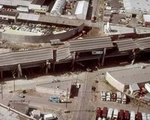
3     One famous earthquake was the Great San Francisco earthquake of 1906. As the earthquake hit San Francisco, it overturned stoves and gas lamps, which started fires all over the city. To make the problem worse, the earthquake also broke the main water lines, making it difficult for firemen to put out the fires. For three days the fires burned, damaging much of San Francisco.

Paragraphs 4 to 7:
For the complete story with questions: click here for printable


Copyright © 2008 edHelper