
Worksheets and No Prep Teaching Resources
Reading Comprehension Worksheets
Illnesses
Illnesses
|
Worksheets and No Prep Teaching Resources Reading Comprehension Worksheets Illnesses |
Illnesses |
| edHelper's suggested reading level: | grades 4 to 6 | |
| Flesch-Kincaid grade level: | 8.06 |
|
Infectious Diseases
By Jennifer Kenny |
|
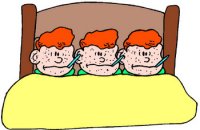 1 What is an infectious disease? It is any disease caused by pathogens, or agents that cause disease, that have invaded the body. Bacteria, viruses, fungi, and parasites are some pathogens. Maybe the pathogen was passed from person to person. It could come from food. It might come from an animal. It could come from something around you.
 |
Create Weekly Reading Books
Prepare for an entire week at once! |
| Leave your feedback on Infectious Diseases (use this link if you found an error in the story) |
|
Illnesses
|