
Worksheets and No Prep Teaching Resources
Reading Comprehension Worksheets
Disabilities

Disabilities
|
Worksheets and No Prep Teaching Resources Reading Comprehension Worksheets Disabilities |
Disabilities |
| edHelper's suggested reading level: | grades 8 to 9 | |
| Flesch-Kincaid grade level: | 8.12 |
|
Polio and FDR's Disability
By Phyllis Naegeli |
|
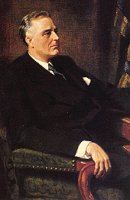 1 Franklin Delano Roosevelt came from a rich and famous family. His life was characterized by the benefits of wealth. He was sheltered by his mother and attended private school. However, even though he had a privileged upbringing, FDR became an advocate for the poor and downtrodden. While attending school in his late teens, he learned the important responsibility he owed to the less fortunate of society. In college, he met his distant cousin, Eleanor. FDR was greatly influenced by her social work with the poor in the slums of New York City. Eventually, his respect for her developed into love, and they were married in 1905. FDR became a lawyer and began a political career. He served as state senator for New York. Then, in 1921, at the age of thirty-nine, FDR was struck with polio.
 |
Create Weekly Reading Books
Prepare for an entire week at once! |
| Leave your feedback on Polio and FDR's Disability (use this link if you found an error in the story) |
|
Disabilities
|
 |
High School Reading Comprehensions and High School Reading Lessons
|