Sample Making Healthy Food Choices (Grades 4-6) Worksheet
Reading Comprehension Worksheets

edHelper.com Subscribers:
Build a printable worksheet with the complete story and puzzles
Build a proofreading activity


Making Healthy Food Choices
By Phyllis Naegeli
  

1     Jeremy finished his food diary for the day. His fifth grade class was studying nutrition and he needed to keep track of everything he ate for one day. Here are the choices Jeremy made:

 
2     
Breakfast

large bowl of Frosted Flakes cereal (2 Servings)
1 cup of whole milk
1 cup of orange juice
white bread toast with butter
Morning Snack
6 powdered donuts
1 cup of whole milk
   Lunch

3 beef tacos
1 orange
1 cup of milk
2 chocolate chip cookies
Afternoon Snack
chocolate bar
Coke

 
3     
Dinner

Quarter Pounder with cheese
super size fries
super size chocolate shake
apple pie
   Bedtime Snack

popcorn with butter
1 cup apple juice

 
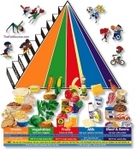
4     In class the next day, Jeremy's teacher, Mrs. Robertson, brought out a large triangular poster and explained healthy food choices.
 
5     “The United States Department of Agriculture has developed the Food Guide Pyramid to help us choose a healthy, balanced diet. According to the pyramid, a sensible diet will include smart choices. You start here at the bottom with the bread and grains group. The best selections from this group are whole grain products like whole wheat bread, whole grain cereals, brown rice and pasta. Choose six to eleven servings from this food group each day,” began Mrs. Robertson, pointing to the bottom row of the pyramid.
 
6     “Your next choices come from the fruit and vegetable groups. Fresh, natural fruits and vegetables are an important part of your diet. You should eat three to five servings of vegetables and two to three servings of fruit each day. When choosing from these groups, choose from fresh first, then frozen, and finally canned. Fresh fruits and vegetables contain fiber and nutrients that are important to a healthy diet. Avoid frozen or canned selections that contain ingredients such as fructose, corn syrup or sucrose. These add unnecessary sugar to your diet,” she continued.
 
7     “Moving up the pyramid, the next level contains the meat and milk groups. Included in the meat group are beef, chicken, fish, beans, eggs, and nuts. Choose two to three servings from this section each day. Lean meat selections are a smarter choice to limit your fat intake. The milk group contains yogurt, cheese, and milk which are important for providing your body with calcium. Select two to three low fat servings from this group each day. Yogurt is an especially good and fun way to provide your body a selection from this food category. Many different flavors and varieties can be found in the dairy section of the supermarket,” explained Mrs. Robertson as she moved her pointer up the pyramid.
 
8     “The final group is the fats, oils and sweets group. The food pyramid guidelines advise using these sparingly. Choose fresh products from the other six groups first,” said Mrs. Robertson as she finished with the pyramid.
 
9     “We are going to do a nutritional analysis of the foods you ate yesterday. The average child in this class should eat 2,800 calories per day. Of these calories, a balanced diet should contain no more than 840 calories from fat and as few as possible from sugar. You each have a food analysis chart on your desk. Using this, compute your total calories consumed. Then figure your total calories from fat and total calories from sugar. When you are done, review your choices and put together a menu for tomorrow's meals.”

Paragraphs 10 to 17:
For the complete story with questions: click here for printable


Copyright © 2009 edHelper