
Worksheets and No Prep Teaching Resources
Reading Comprehension Worksheets
Medical Tools

Medical Tools
|
Worksheets and No Prep Teaching Resources Reading Comprehension Worksheets Medical Tools |
Medical Tools |
| edHelper's suggested reading level: | grades 4 to 6 | |
| Flesch-Kincaid grade level: | 7.2 |
|
Blood Glucose Meter
By Jennifer Kenny |
|
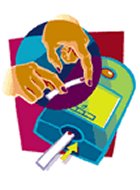 1 Fred was diagnosed with diabetes as a child. He has been monitoring his blood glucose since then. He requires insulin to maintain a healthy blood sugar level. Corrine was diagnosed with gestational diabetes. She takes a measurement of her blood sugar level several times a day so that she and her unborn baby will stay as healthy as possible. James is on a special diet to control his blood sugar. He doesn't require insulin. His test results keep him on the healthy track for appropriate food and exercise. What tool do all of these individuals have in common? They all use blood glucose meters.
 |
Create Weekly Reading Books
Prepare for an entire week at once! |
| Leave your feedback on Blood Glucose Meter (use this link if you found an error in the story) |
|
Medical Tools
|