edHelper.com
Miscellaneous Health Topics


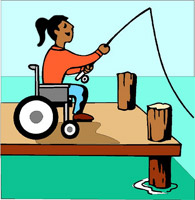
Camps for Children with Special Needs


Camps for Children with Special Needs
Reading Level
     edHelper's suggested reading level:   grades 4 to 6
     Flesch-Kincaid grade level:   8.85

Vocabulary
     challenging words:    behavioral, epilepsy, impairments, philosophy, turnover, camps, traditional, diabetes, therefore, palsy, greatly, medical, cerebral, fully, sleepover, rate
     content words:    To Julie, Now Julie, Disabilities Act, American Camp Association


Print Camps for Children with Special Needs
edHelper.com subscriber options:
     Print Camps for Children with Special Needs  (font options, pick words for additional puzzles, and more)

     Quickly print reading comprehension

     Print a proofreading activity


Feedback on Camps for Children with Special Needs
     Leave your feedback on Camps for Children with Special Needs  (use this link if you found an error in the story)


Camps for Children with Special Needs
By Jennifer Kenny
  

1     Summer usually brings to mind vacation, no school, long, sun-filled days, and water activities. The thought of a fun-filled summer camp may be included as well. To Julie, however, summers seemed long and boring. Her siblings went off to camp each day while she waited quietly for them to return each afternoon. This summer was going to be different, however.
 
2     Julie suffers from cerebral palsy and is confined to a wheelchair. She has certain medical and physical needs that can not be accommodated at the local town camp. Her family believed there was no other choice but to keep Julie at home during the summer months. Then a teacher recommended a private camp for children with similar special needs. It was quite expensive, but with the help of a local charity, Julie had received money through a financial scholarship. Now Julie couldn't wait for summer to arrive. Just like her brothers and sisters, she would experience the fun, friendships, swim races, and mosquitoes connected to summer camp.
 
3     All kinds of camps exist. Many of them accept children with special needs. In fact, the Americans with Disabilities Act requires camps to make accommodations, such as ramps, available. Therefore, for some children with special needs, regular camps may be a choice. Some camps are called inclusionary camps because they purposefully arrange their programs to include the children with special needs with those with regular needs. Finally, there are camps which exist solely for children with special needs. Some may host children with differing needs; others are very specific. There are camps for children with learning problems, behavioral problems, and physical issues. There are camps for children with specific illnesses such as cancer, diabetes, or epilepsy. There are camps for children with hearing impairments, too. In Julie's case, she would be attending a camp with other children who have cerebral palsy.

Paragraphs 4 to 7:
For the complete story with questions: click here for printable


Copyright © 2008 edHelper