
Worksheets and No Prep Teaching Resources
Reading Comprehension Worksheets
Digestive System

Digestive System
|
Worksheets and No Prep Teaching Resources Reading Comprehension Worksheets Digestive System |
Digestive System |
| edHelper's suggested reading level: | grades 5 to 6 | |
| Flesch-Kincaid grade level: | 6.36 |
|
Digestion in the Small Intestine
By Jennifer Kenny |
|
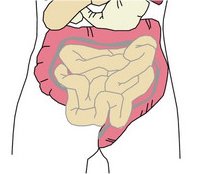 1 The small intestine is a very important part of the digestive process. In fact, most of digestion occurs here. The small intestine is a long, narrow, twisting tube of muscles and tissue. It can be anywhere from thirteen feet to twenty feet long, but it is only one inch in diameter. It is coiled tightly so that it can fit in the abdomen.
 |
Create Weekly Reading Books
Prepare for an entire week at once! |
| Leave your feedback on Digestion in the Small Intestine (Grades 5-6) (use this link if you found an error in the story) |
|
Digestive System
|