
Worksheets and No Prep Teaching Resources
Reading Comprehension Worksheets
Respiratory System
Respiratory System
|
Worksheets and No Prep Teaching Resources Reading Comprehension Worksheets Respiratory System |
Respiratory System |
| edHelper's suggested reading level: | grades 5 to 6 | |
| Flesch-Kincaid grade level: | 5.8 |
|
The Lungs
By Jennifer Kenny |
|
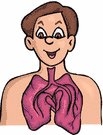
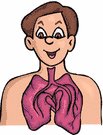 1 Do you know what takes up most of the room inside your chest? Your lungs do, of course! The lungs look like shiny, smooth sponges. When you are young, your lungs are pink. As you age, lungs change to a darker color, usually gray or black. This occurs because of a lifetime of dust and dirt. Smokers have the most noticeable color change of all. Eskimos who have not smoked and who have not lived in a dust-filled environment often have pink lungs even when they are elderly. City dwellers have more noticeable changes than those who live in the country.
 |
Create Weekly Reading Books
Prepare for an entire week at once! |
| Leave your feedback on The Lungs (use this link if you found an error in the story) |
|
Respiratory System
|