
Worksheets and No Prep Teaching Resources
Reading Comprehension Worksheets
Nervous System
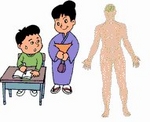
Nervous System
|
Worksheets and No Prep Teaching Resources Reading Comprehension Worksheets Nervous System |
Nervous System |
| edHelper's suggested reading level: | grades 4 to 6 | |
| Flesch-Kincaid grade level: | 4.95 |
|
Sleep
By Jennifer Kenny |
|
 1 Your body needs rest and enough sleep each night. Your body becomes relaxed and inactive. What about your brain? Well, your brain never stops. Its automatic control system keeps your heartbeat, breathing, and other vital processes going. Your sleep center is in the part of your brain called the hypothalamus. Even though we know that your brain doesn't stop, doctors know from EEG that the patterns in your brain are different when you are asleep than when you are awake.
 |
Create Weekly Reading Books
Prepare for an entire week at once! |
| Leave your feedback on Sleep (use this link if you found an error in the story) |
|
Nervous System
|