
Worksheets and No Prep Teaching Resources
Reading Comprehension Worksheets
Water
Water
|
Worksheets and No Prep Teaching Resources Reading Comprehension Worksheets Water |
Water |
| edHelper's suggested reading level: | grades 5 to 7 | |
| Flesch-Kincaid grade level: | 6.87 |
|
Cool Floater, Hot Sinker
By Trista L. Pollard |
|
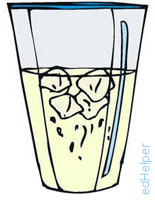 1 It is the hottest day of the summer. You decide to celebrate your ability to survive the heat by drinking a tall, cold glass of lemonade. As you go to take your first gulp, you pause with a questioning look on your face. The little voice inside your head asks the question as the universe waits for the answer. "If ice is just frozen water, why does it float in liquid water?" Now, I am sure that if you were hot, you would have just continued to take your gulp of lemonade. However, I know this question has crossed your mind at some point. Well, I will not keep you in suspense any longer. This scientific phenomenon relates to a little word called density.
 |
Create Weekly Reading Books
Prepare for an entire week at once! |
| Leave your feedback on Cool Floater, Hot Sinker (use this link if you found an error in the story) |
|
Water
|
 |
Science
|