Worksheets and No Prep Teaching Resources
Reading Comprehension Worksheets
Netiquette and Internet Safety

Netiquette and Internet Safety
|
Worksheets and No Prep Teaching Resources Reading Comprehension Worksheets Netiquette and Internet Safety |
Netiquette and Internet Safety |
| edHelper's suggested reading level: | grades 9 to 12 | |
| Flesch-Kincaid grade level: | 9.19 |
| Print Computer Ethics (font options, pick words for additional puzzles, and more) |
| Quickly print reading comprehension |
| Print a proofreading activity |
|
Computer Ethics
By Brenda B. Covert |
|
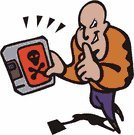 1 Ethics is a short two-syllable word of six letters that affects every segment of our lives. Ethics is a moral code involving a clear understanding of right and wrong. Another word for ethics is values. When people talk about ethics, they may be focused on one specific area, such as business, medical, political, environmental, religious, or personal ethics. Today we are going to focus on another important area of ethics: computer ethics.
| THE TEN COMMANDMENTS FOR COMPUTER ETHICS | ||||||||||||||||
5 1. Thou shalt not use a computer to harm other people. 6 2. Thou shalt not interfere with other people's computer work. 7 3. Thou shalt not snoop around in other people's files. 8 4. Thou shalt not use a computer to steal. Paragraphs 9 to 21: For the complete story with questions: click here for printable Weekly Reading Books
Feedback on Computer Ethics
Netiquette and Internet Safety
More Lessons
Copyright © 2025 edHelper |