
Worksheets and No Prep Teaching Resources
Reading Comprehension Worksheets
History of Books and Writing

History of Books and Writing
|
Worksheets and No Prep Teaching Resources Reading Comprehension Worksheets History of Books and Writing |
History of Books and Writing |
| edHelper's suggested reading level: | grades 9 to 12 | |
| Flesch-Kincaid grade level: | 8.79 |
|
Magnificent Manuscripts
By Colleen Messina |
|
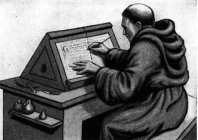 1 In the fifth century A.D., Roman soldiers in Gaul captured a 16-year-old boy and enslaved him in Ireland. This terrible event turned out to be the best thing that happened in the world of writing. Young Saccath looked around at the barbaric Celts and determined to not only survive his enslavement, but also to escape, get an education, and with saint-like determination, come back to help those wild, uncivilized islanders.
 |
Create Weekly Reading Books
Prepare for an entire week at once! |
| Leave your feedback on Magnificent Manuscripts (use this link if you found an error in the story) |
|
History of Books and Writing
|
 |
High School Reading Comprehensions and High School Reading Lessons
|
 |
Social Studies
|