
Worksheets and No Prep Teaching Resources
Reading Comprehension Worksheets
Flag Day
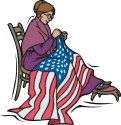
Flag Day
|
Worksheets and No Prep Teaching Resources Reading Comprehension Worksheets Flag Day |
Flag Day |
| edHelper's suggested reading level: | grades 4 to 6 | |
| Flesch-Kincaid grade level: | 6.21 |
|
Flag Etiquette
By Jane Runyon |
|
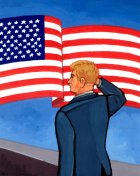 1 Etiquette might be a new word in your vocabulary. If you have good or proper etiquette, you practice good behavior when you are with other people. There are certain rules of etiquette that need to be followed when you are around a United States flag. Some of them you may already be aware of. Some of them might be new to you.
 |
Create Weekly Reading Books
Prepare for an entire week at once! |
| Leave your feedback on Flag Etiquette (use this link if you found an error in the story) |
|
Flag Day
|