
Worksheets and No Prep Teaching Resources
Reading Comprehension Worksheets
Geography
Geography
|
Worksheets and No Prep Teaching Resources Reading Comprehension Worksheets Geography |
Geography |
| edHelper's suggested reading level: | grade 3 | |
| Flesch-Kincaid grade level: | 5.85 |
|
Continents and Oceans
By Trista L. Pollard |
|
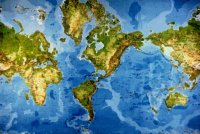 1 Our planet has many physical features. The Earth has water, land, and vegetation on it. Vegetation means the trees, grass, and plants that we see every day. When you look at a globe or a map, you see the land and the water. On physical maps you see mountains, deserts, lakes, rivers, and ice sheets. Physical maps use color to show the different types of landforms on Earth. Globes also use different colors to show landforms. Let's start with landmasses.
 |
Create Weekly Reading Books
Prepare for an entire week at once! |
| Leave your feedback on Continents and Oceans (use this link if you found an error in the story) |
|
Geography
|
 |
Continents Activities, Worksheets, Printables, and Lesson Plans
|