By Trista L. Pollard

|
The Path of Resistance
By Trista L. Pollard |
|
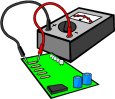 1 If we did not have electrical energy, our lives would be very dark. For instance, when we turn on a light switch at home, we automatically expect our light to shine brightly. Occasionally, a light bulb will burn out, and we will be left in darkness. However, did you know that there are other situations where the flow of electrical energy can be interrupted as it travels from the power source to the connected device or object? Did you also know that almost any material can conduct electricity under the right conditions?
 |
Create Weekly Reading Books
Prepare for an entire week at once! |
| Leave your feedback on The Path of Resistance (use this link if you found an error in the story) |
 |
Electricity Worksheets | edHelper.com
|
 |
Science
|