
Worksheets and No Prep Teaching Resources
Reading Comprehension Worksheets
Black History and Blacks in U.S. History
A Nation Divided
(1840-1861)
Black History and Blacks in U.S. History
|
Worksheets and No Prep Teaching Resources Reading Comprehension Worksheets Black History and Blacks in U.S. History A Nation Divided (1840-1861) |
Black History and Blacks in U.S. History |
| edHelper's suggested reading level: | grades 5 to 7 | |
| Flesch-Kincaid grade level: | 6.68 |
|
Abolitionists and the Underground Railroad
By Mary L. Bushong |
|
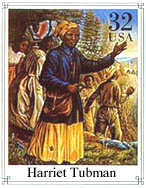 1 When the founding fathers of the United States wrote the constitution, slavery was common. Things slowly changed in the Northern states until almost no one kept slaves. At the same time, slavery was also dying out in the Southern states at the beginning of the 1800's.
 |
Create Weekly Reading Books
Prepare for an entire week at once! |
| Leave your feedback on Abolitionists and the Underground Railroad (use this link if you found an error in the story) |
|
Black History and Blacks in U.S. History
|
 |
A Nation Divided (1840-1861) |
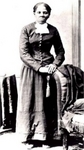 |
Harriet Tubman Activities, Worksheets, Printables, and Lesson Plans
|
 |
United States
|
|
|
 | Fifty States Theme Unit |
 |
Document Based Activities |