
Worksheets and No Prep Teaching Resources
Reading Comprehension Worksheets
The Civil War
(1861-1865)
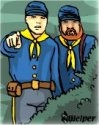
The Civil War
(1861-1865)
|
Worksheets and No Prep Teaching Resources Reading Comprehension Worksheets The Civil War (1861-1865) |
The Civil War (1861-1865) |
| edHelper's suggested reading level: | grades 7 to 10 | |
| Flesch-Kincaid grade level: | 8.07 |
|
Cavalry of the Civil War
By Mary Lynn Bushong |
|
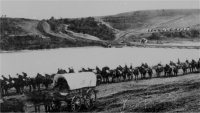 1 The sound of a trumpet and the rolling thunder of hooves echoed across the battlefield as a row of charging horsemen raced toward the enemy line. It's a scene that has been replayed through the ages from the earliest civilizations to the Civil War. It was the one romantic part of the war, like knights on horseback, they were the cavalry.
 |
Create Weekly Reading Books
Prepare for an entire week at once! |
| Leave your feedback on Cavalry of the Civil War (use this link if you found an error in the story) |
|
The Civil War (1861-1865) |
 |
High School Reading Comprehensions and High School Reading Lessons
|
 |
United States
|
|
|
 | Fifty States Theme Unit |
 |
Document Based Activities |