
Worksheets and No Prep Teaching Resources
Reading Comprehension Worksheets
The United States Grows
(1865-1900)
The United States Grows
(1865-1900)
|
Worksheets and No Prep Teaching Resources Reading Comprehension Worksheets The United States Grows (1865-1900) |
The United States Grows (1865-1900) |
| edHelper's suggested reading level: | grades 7 to 9 | |
| Flesch-Kincaid grade level: | 7.7 |
|
William "Boss" Tweed - How to Make Money in Politics
By Toni Lee Robinson |
|
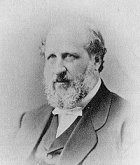 1 New York City - the name evokes images for people all around the world. Today, New York is a whirlwind of flashing lights, streams of people, and the rush of thousands of vehicles. In the 1860s, New York scenery was a bit different. The only vehicles were horse-drawn, and gas street lamps lit the streets with a soft glow.
 |
Create Weekly Reading Books
Prepare for an entire week at once! |
| Leave your feedback on William "Boss" Tweed - How to Make Money in Politics (use this link if you found an error in the story) |
|
The United States Grows (1865-1900) |
 |
High School Reading Comprehensions and High School Reading Lessons
|
 |
United States
|
|
|
 | Fifty States Theme Unit |
 |
Document Based Activities |