
Worksheets and No Prep Teaching Resources
Reading Comprehension Worksheets
The Great Depression
(1929-1945)

The Great Depression
(1929-1945)
|
Worksheets and No Prep Teaching Resources Reading Comprehension Worksheets The Great Depression (1929-1945) |
The Great Depression (1929-1945) |
| edHelper's suggested reading level: | grades 7 to 9 | |
| Flesch-Kincaid grade level: | 6.73 |
|
FDR's New Deal - Social Security
By Toni Lee Robinson |
|
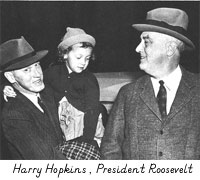 1 Franklin Roosevelt had won the elections of 1932 and 1936 by a wide margin. His party, the Democrats, also controlled Congress. All this added up to a powerful presidency. You might have thought the president would have very few worries.
 |
Create Weekly Reading Books
Prepare for an entire week at once! |
| Leave your feedback on FDR's New Deal - Social Security (use this link if you found an error in the story) |
|
The Great Depression (1929-1945) |
 |
High School Reading Comprehensions and High School Reading Lessons
|
 |
United States
|
|
|
 | Fifty States Theme Unit |
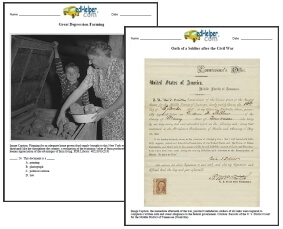 |
Document Based Activities |