
Worksheets and No Prep Teaching Resources
Reading Comprehension Worksheets
A New Nation
(1776-1830)
Flag Day
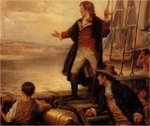
A New Nation
(1776-1830)
|
Worksheets and No Prep Teaching Resources Reading Comprehension Worksheets A New Nation (1776-1830) Flag Day |
A New Nation (1776-1830) |
| edHelper's suggested reading level: | grades 6 to 8 | |
| Flesch-Kincaid grade level: | 5.8 |
|
Francis Scott Key and "The Star-Spangled Banner"
By Jane Runyon |
|
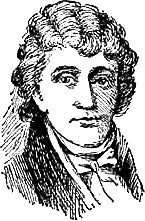 1 The British did not take their defeat in the Revolutionary War too well. They would not believe that they could be beaten by a group of unorganized colonists. The British government believed that if it gave the colonists a few years, the American government would fail and the United States would be begging the British to come back and take over. When Britain went to war with France in 1793, it needed more men to fight on its ships. Britain also needed to control shipping routes across the Atlantic. British ships stole American sailors to fight in the British navy against France. This was called conscription or impressment. Britain also tried to restrict trade between the United States and other countries in Europe. Americans were also upset with the British for helping American Indians defend their land against American encroachment. On June 18, 1812, America declared war on Great Britain.
 |
Create Weekly Reading Books
Prepare for an entire week at once! |
| Leave your feedback on Francis Scott Key and "The Star-Spangled Banner" (use this link if you found an error in the story) |
|
A New Nation (1776-1830) |
 |
Flag Day
|
 |
United States
|
|
|
 | Fifty States Theme Unit |
 |
Document Based Activities |