
Worksheets and No Prep Teaching Resources
Reading Comprehension Worksheets
World War I

World War I
|
Worksheets and No Prep Teaching Resources Reading Comprehension Worksheets World War I |
World War I |
| edHelper's suggested reading level: | grades 5 to 7 | |
| Flesch-Kincaid grade level: | 6.82 |
|
Doughboys and Diggers
By Jane Runyon |
|
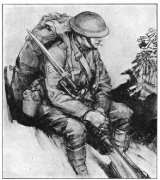 1 Nicknames have been around since the time people started calling each other by name. Many famous sports stars have been known by their nicknames. Ask your father or grandfather who "Stan the Man" or "The Say Hey Kid" were, and they can probably tell you easily that you are talking about Stan Musial and Willie Mays. Both of these men were famous baseball players. People tend to remember nicknames much easier than they remember real names. Soldiers during World War I were given nicknames, too. American infantrymen were called doughboys. Australian soldiers were called diggers. Both are interesting nicknames which are recognizable to their countrymen. What is less well-known is just how these nicknames came about.
 |
Create Weekly Reading Books
Prepare for an entire week at once! |
| Leave your feedback on Doughboys and Diggers (use this link if you found an error in the story) |
|
World War I
|
 |
Social Studies
|
 |
United States
|
|
|
|
|
 | Fifty States Theme Unit |
 |
Document Based Activities |