
Worksheets and No Prep Teaching Resources
Reading Comprehension Worksheets
Black History and Blacks in U.S. History
The 1960's
Black History and Blacks in U.S. History
|
Worksheets and No Prep Teaching Resources Reading Comprehension Worksheets Black History and Blacks in U.S. History The 1960's |
Black History and Blacks in U.S. History |
| edHelper's suggested reading level: | grades 6 to 8 | |
| Flesch-Kincaid grade level: | 6.44 |
|
Sit-Ins
By Jane Runyon |
|
 1 Events in the 1950s set the wheels of change into motion. The case of Brown v. the Topeka Board of Education led the Supreme Court to rule against segregation in public schools. By 1960, it was the law that children of all races were to attend the same schools. Rosa Parks's refusal to give up her seat to a white man on a Montgomery, Alabama, bus led the courts to ban segregation on public transportation. These were bold first steps. But segregation still existed. Restaurants, theaters, restrooms, and drinking fountains still had signs reading "Colored" or "Whites Only." Groups such as the NAACP learned early that they would make no headway in gaining civil rights using force or violence.
 |
Create Weekly Reading Books
Prepare for an entire week at once! |
| Leave your feedback on Sit-Ins (use this link if you found an error in the story) |
|
Black History and Blacks in U.S. History
|
 |
The 1960's
|
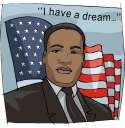 |
Dr. Martin Luther King, Jr. Theme Unit and Printables
|
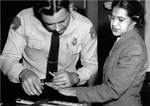 |
Rosa Parks Activities, Worksheets, Printables, and Lesson Plans
|
 |
United States
|
|
|
 | Fifty States Theme Unit |
 |
Document Based Activities |