
Worksheets and No Prep Teaching Resources
Reading Comprehension Worksheets
World War II

World War II
|
Worksheets and No Prep Teaching Resources Reading Comprehension Worksheets World War II |
World War II |
| edHelper's suggested reading level: | grades 5 to 7 | |
| Flesch-Kincaid grade level: | 4.19 |
|
War Beneath the Waves - Sardine Duty: Life as a Submariner
By Toni Lee Robinson |
|
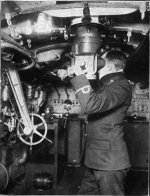 1 It takes a special person to be a submariner. In our time, huge subs roam the ocean, powered by nuclear reactors. Ohio class boats are 560 feet long and 42 feet wide. Fully loaded, they displace almost 19,000 tons of water. They carry crews of more than 150 men. These big boats patrol the ocean depths for months at a time. After half a year at sea, even a sub this size could begin to feel like tight quarters.
 |
Create Weekly Reading Books
Prepare for an entire week at once! |
| Leave your feedback on War Beneath the Waves - Sardine Duty: Life as a Submariner (use this link if you found an error in the story) |
|
World War II
|
 |
Social Studies
|
 |
United States
|
|
|
|
|
 | Fifty States Theme Unit |
 |
Document Based Activities |