
Worksheets and No Prep Teaching Resources
Reading Comprehension Worksheets
The 1920's

The 1920's
|
Worksheets and No Prep Teaching Resources Reading Comprehension Worksheets The 1920's |
The 1920's |
| edHelper's suggested reading level: | grades 6 to 8 | |
| Flesch-Kincaid grade level: | 5.37 |
|
Red Summer - A Season of Fear
By Toni Lee Robinson |
|
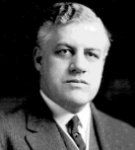 1 The year was 1919. America seemed to be coming apart at the seams. People came in droves from across the seas to find a better life. Labor strikes had hit the nation. People struggled to deal with rising prices of goods. Women were marching in the streets. They demanded the right to vote. Certain groups insisted on a national ban on liquor. Chicago exploded with street battles between blacks and whites.
 |
Create Weekly Reading Books
Prepare for an entire week at once! |
| Leave your feedback on Red Summer - A Season of Fear (use this link if you found an error in the story) |
|
The 1920's
|
 |
United States
|
|
|
 | Fifty States Theme Unit |
 |
Document Based Activities |