
Worksheets and No Prep Teaching Resources
Reading Comprehension Worksheets
American Revolution

American Revolution
|
Worksheets and No Prep Teaching Resources Reading Comprehension Worksheets American Revolution |
American Revolution |
| edHelper's suggested reading level: | grades 4 to 6 | |
| Flesch-Kincaid grade level: | 9.72 |
|
The Boston Tea Party
By Jane Runyon |
|
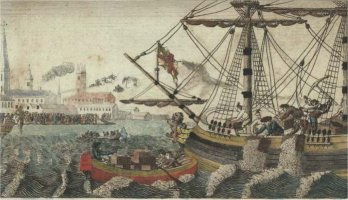 1 The colonists decided to boycott British products after Lord Townshend put a tax on glass, lead, paper, paint, and tea that was imported into the colonies. The boycott was successful because the British merchants began losing money, and they demanded that the taxes be repealed. In 1770, all but one of the taxes was repealed. This was a small tax on tea, but it was a very important point to the colonists. In the mind of the colonists having any kind of tax at all on goods brought to the new colonies was an example of taxation without representation. They had no voice in authorizing these taxes, so they should not have to pay them.
 |
Create Weekly Reading Books
Prepare for an entire week at once! |
| Leave your feedback on The Boston Tea Party (use this link if you found an error in the story) |
|
American Revolution
|
 |
United States
|
|
|
 | Fifty States Theme Unit |
 |
Document Based Activities |