edHelper.com
The 1950's
War Birds Over Korea, Part 2 - "Angels of Mercy"


War Birds Over Korea, Part 2 - "Angels of Mercy"
Reading Level
     edHelper's suggested reading level:   grades 5 to 6
     Flesch-Kincaid grade level:   4.89

Vocabulary
     challenging words:    airlift, champ, chop-chop, chopper, copter, medevac, misery, odd-shaped, rotary, combat, aircraft, civilian, zone, dubbed, cargo, military
     content words:    Korean War, Before Korea, In Asia, Four Bell H-13, Sikorsky H-5, Dragon Fly, Forgotten War


Print War Birds Over Korea, Part 2 - "Angels of Mercy"
     Print War Birds Over Korea, Part 2 - "Angels of Mercy"  (font options, pick words for additional puzzles, and more)


Quickly Print - PDF format
     Quickly Print: PDF (2 columns per page)

     Quickly Print: PDF (full page)


Quickly Print - HTML format
     Quickly Print: HTML


Proofreading Activity
     Print a proofreading activity


Feedback on War Birds Over Korea, Part 2 - "Angels of Mercy"
     Leave your feedback on War Birds Over Korea, Part 2 - "Angels of Mercy"  (use this link if you found an error in the story)


War Birds Over Korea, Part 2 - "Angels of Mercy"
By Toni Lee Robinson
  

1     In Korea, war zone medicine made some big strides. M.A.S.H. units in the Korean War set a new standard for military medicine. They lost fewer than three of every 100 soldiers in their care. This was a lower death rate among the wounded than ever before.
 
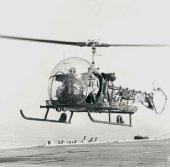
2     The best hospital in the world did little good if those who needed it couldn't get there in time. M.A.S.H. units stayed just a few miles behind the front lines. That was good news to wounded soldiers. But close wasn't always enough. Getting the wounded to care was still a challenge.
 
3     The process of transporting the wounded is called medical evacuation (medevac). Before Korea, the injured were moved by truck or jeep. Roads were often doubtful. The ride was an ordeal for those with serious wounds. Many soldiers died before they received care. Those wounded in the first days of the Korean War were handled in this way.
 
4     The ground travel method hadn't worked very well in Europe. In Asia, it was even less successful. The Korean terrain was rugged. There were few roads. Fewer still were paved. In bad weather, travel was risky. For badly hurt soldiers, it could be deadly. A better way was needed.

Paragraphs 5 to 15:
For the complete story with questions: click here for printable


Copyright © 2009 edHelper