
Worksheets and No Prep Teaching Resources
Reading Comprehension Worksheets
Colonial America (1492-1776)

Colonial America (1492-1776)
|
Worksheets and No Prep Teaching Resources Reading Comprehension Worksheets Colonial America (1492-1776) |
Colonial America (1492-1776) |
| edHelper's suggested reading level: | grades 5 to 7 | |
| Flesch-Kincaid grade level: | 6.7 |
|
Wigmaker and Barber
By Sharon Fabian |
|
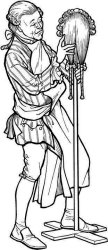 1 Cosmetology is a popular subject in vocational high schools. In cosmetology classes, students learn to wash and cut hair. They learn to give perms and to color hair, too. They learn how to do a fancy hairstyle for a special occasion like a prom. They might learn to cut and style wigs as well as real hair. Cosmetology students often go on to work as hairdressers, styling hair for customers.
 |
Create Weekly Reading Books
Prepare for an entire week at once! |
| Leave your feedback on Wigmaker and Barber (use this link if you found an error in the story) |
|
Colonial America (1492-1776)
|
 |
United States
|
|
|
 | Fifty States Theme Unit |
 |
Document Based Activities |