
Worksheets and No Prep Teaching Resources
Reading Comprehension Worksheets
American Revolution

American Revolution
|
Worksheets and No Prep Teaching Resources Reading Comprehension Worksheets American Revolution |
American Revolution |
| edHelper's suggested reading level: | grades 5 to 7 | |
| Flesch-Kincaid grade level: | 6.2 |
|
John Hancock
By Jane Runyon |
|
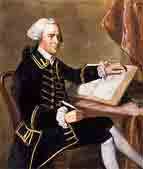 1 "Put your John Hancock right here." Have you ever heard that phrase before? It all has to do with one man who had a great influence on the Revolutionary War. John Hancock signed the Declaration of Independence with a larger than normal signature. He said he wanted King George III and his Parliament to see it without having to put their glasses on. Let's see if we can find out why.
 |
Create Weekly Reading Books
Prepare for an entire week at once! |
| Leave your feedback on John Hancock (use this link if you found an error in the story) |
|
American Revolution
|
 |
United States
|
|
|
 | Fifty States Theme Unit |
 |
Document Based Activities |