
Worksheets and No Prep Teaching Resources
Reading Comprehension Worksheets
The 1930's

The 1930's
|
Worksheets and No Prep Teaching Resources Reading Comprehension Worksheets The 1930's |
The 1930's |
| edHelper's suggested reading level: | grades 6 to 8 | |
| Flesch-Kincaid grade level: | 7.45 |
|
The Hindenburg Disaster
By Jane Runyon |
|
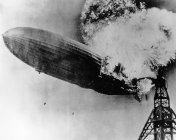 1 The Germans were famous for their zeppelins. They flew the lighter-than-air aircraft in World War I. These airships were very quiet and could often fly over areas without being detected. After World War I, the Zeppelin company continued to produce the airships with commercial use in mind. They planned to build a fleet of airships that would transport people and cargo across the ocean to the Americas.
 |
Create Weekly Reading Books
Prepare for an entire week at once! |
| Leave your feedback on The Hindenburg Disaster (use this link if you found an error in the story) |
|
The 1930's
|
 |
United States
|
|
|
 | Fifty States Theme Unit |
 |
Document Based Activities |