
Worksheets and No Prep Teaching Resources
Reading Comprehension Worksheets
Spanish American War (1898)
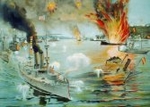
Spanish American War (1898)
|
Worksheets and No Prep Teaching Resources Reading Comprehension Worksheets Spanish American War (1898) |
Spanish American War (1898) |
| edHelper's suggested reading level: | grades 6 to 9 | |
| Flesch-Kincaid grade level: | 6.81 |
|
The Great American Newspaper War, Part 2 - Yellow Journalism
By Toni Lee Robinson |
|
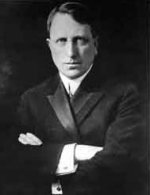 1 Like Pulitzer, W.R. Hearst thrived on investigative reporting. His Examiner regularly blew the whistle on graft. In one instance, Hearst sent a reporter undercover to a local hospital. She witnessed firsthand the facility's treatment of poor women. Her report on the hospital's cruelty toward the poor shocked the city. The next day, every member of the hospital staff was fired. The whole process, of course, kept readers riveted to the pages of the Examiner. Circulation shot up.
 |
Create Weekly Reading Books
Prepare for an entire week at once! |
| Leave your feedback on The Great American Newspaper War, Part 2 - Yellow Journalism (use this link if you found an error in the story) |
|
Spanish American War (1898)
|
 |
High School Reading Comprehensions and High School Reading Lessons
|
 |
United States
|
|
|
 | Fifty States Theme Unit |
 |
Document Based Activities |