
Worksheets and No Prep Teaching Resources
Reading Comprehension Worksheets
Middle Ages

Middle Ages
|
Worksheets and No Prep Teaching Resources Reading Comprehension Worksheets Middle Ages |
Middle Ages |
| edHelper's suggested reading level: | grades 5 to 7 | |
| Flesch-Kincaid grade level: | 7.25 |
|
Stone Keep Castles
By Sharon Fabian |
|
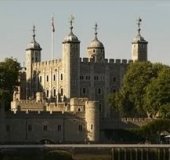 1 William the Conqueror had built castles all over England. The country was securely under his control, but there were still a few problems with the castles. Attackers kept burning down his wooden castle walls and even his wooden towers. If a castle wasn't burned down, the wood started to rot from the damp English climate.
 |
Create Weekly Reading Books
Prepare for an entire week at once! |
| Leave your feedback on Stone Keep Castles (use this link if you found an error in the story) |
|
Middle Ages
|
 |
Social Studies
|