
Worksheets and No Prep Teaching Resources
Reading Comprehension Worksheets
The War of 1812
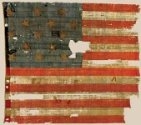
The War of 1812
|
Worksheets and No Prep Teaching Resources Reading Comprehension Worksheets The War of 1812 |
The War of 1812 |
| edHelper's suggested reading level: | high interest, readability grades 4 to 5 | |
| Flesch-Kincaid grade level: | 4.51 |
|
Treaty of Ghent
By Cathy Pearl |
|
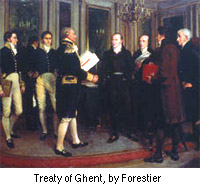 1 The War of 1812 was ending. People from America and Britain were meeting in Belgium. They were working on a treaty that would end the war. But would either side give up anything? And if they didn't, why did they fight a war?
 |
Create Weekly Reading Books
Prepare for an entire week at once! |
| Leave your feedback on Treaty of Ghent (use this link if you found an error in the story) |
|
The War of 1812
|
 |
Special Education United States History Materials for Teachers
|
 |
United States
|
|
|
 | Fifty States Theme Unit |
 |
Document Based Activities |