
Worksheets and No Prep Teaching Resources
Reading Comprehension Worksheets
A New Nation
(1776-1830)

A New Nation
(1776-1830)
|
Worksheets and No Prep Teaching Resources Reading Comprehension Worksheets A New Nation (1776-1830) |
A New Nation (1776-1830) |
| edHelper's suggested reading level: | high interest, readability grades 4 to 5 | |
| Flesch-Kincaid grade level: | 4.06 |
|
Growing Cities
By Cathy Pearl |
|
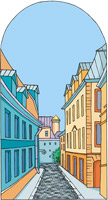 1 In the early 1800s many people lived in the country. Most of the people were farmers. They needed more land to grow crops. The farmers would grow crops during the year. Then they would send the crops to the cities. People in the cities would sell the crops or send them to other parts of the world.
 |
Create Weekly Reading Books
Prepare for an entire week at once! |
| Leave your feedback on Growing Cities (use this link if you found an error in the story) |
|
A New Nation (1776-1830) |
 |
Special Education United States History Materials for Teachers
|
 |
United States
|
|
|
 | Fifty States Theme Unit |
 |
Document Based Activities |