
Worksheets and No Prep Teaching Resources
Reading Comprehension Worksheets
Rocks and Minerals
Rocks and Minerals
|
Worksheets and No Prep Teaching Resources Reading Comprehension Worksheets Rocks and Minerals |
Rocks and Minerals |
| edHelper's suggested reading level: | high interest, readability grades 6 to 7 | |
| Flesch-Kincaid grade level: | 6.3 |
|
Sedimentary Rocks
By Patti Hutchison |
|
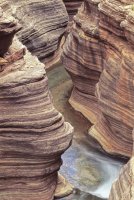 1 If you put some muddy water in a jar and let it set a few days, what would you see? The water would become clear. There would be layers of dirt and stones at the bottom. This is called sediment. This is what sedimentary rocks are made from.
 |
Create Weekly Reading Books
Prepare for an entire week at once! |
| Leave your feedback on Sedimentary Rocks (use this link if you found an error in the story) |
|
Rocks and Minerals
|
 |
Special Education Science Materials for Teachers
|
 |
Science
|