
Worksheets and No Prep Teaching Resources
Reading Comprehension Worksheets
Rocks and Minerals
Rocks and Minerals
|
Worksheets and No Prep Teaching Resources Reading Comprehension Worksheets Rocks and Minerals |
Rocks and Minerals |
| edHelper's suggested reading level: | high interest, readability grades 6 to 7 | |
| Flesch-Kincaid grade level: | 4.99 |
|
Weathering - The Breakup of Rocks
By Patti Hutchison |
|
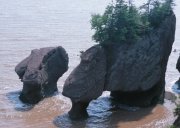 1 Air, water, ice, and gravity. These are nature's agents of weathering. Weathering is the breaking down of rocks on the earth's surface. This process has been going on since the earth was formed.
 |
Create Weekly Reading Books
Prepare for an entire week at once! |
| Leave your feedback on Weathering - The Breakup of Rocks (use this link if you found an error in the story) |
|
Rocks and Minerals
|
 |
Special Education Science Materials for Teachers
|
 |
Science
|