
Worksheets and No Prep Teaching Resources
Reading Comprehension Worksheets
Water
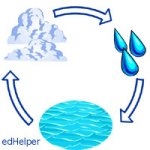
Water
|
Worksheets and No Prep Teaching Resources Reading Comprehension Worksheets Water |
Water |
| edHelper's suggested reading level: | high interest, readability grades 6 to 7 | |
| Flesch-Kincaid grade level: | 4.94 |
|
Oceanography
By Patti Hutchison |
|
 1 The ocean has always been a place of wonder. It is used for food, fun, and travel. Early people explored the surface. They traveled by boat to find new lands. But they weren't able to explore deep underwater.
 |
Create Weekly Reading Books
Prepare for an entire week at once! |
| Leave your feedback on Oceanography (use this link if you found an error in the story) |
|
Water
|
 |
Special Education Science Materials for Teachers
|
 |
Science
|