
Worksheets and No Prep Teaching Resources
Reading Comprehension Worksheets
Plants
Plants
|
Worksheets and No Prep Teaching Resources Reading Comprehension Worksheets Plants |
Plants |
| edHelper's suggested reading level: | grades 6 to 8 | |
| Flesch-Kincaid grade level: | 5.76 |
|
Plant Adaptations
By Cindy Grigg |
|
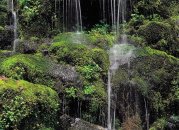 1 What's the strangest place you've ever seen a plant growing? It sometimes seems as though plants can grow everywhere. You see them growing in your house, in your yard, and even in the cracks of highways and rocks. Some grow in swamps or oceans. Some grow in the dry desert. Some plants thrive under the snow, and others live in forests. Plants grow on every continent on Earth. Even Antarctica has several species of lichens and mosses growing there.
 |
Create Weekly Reading Books
Prepare for an entire week at once! |
| Leave your feedback on Plant Adaptations (use this link if you found an error in the story) |
|
Plants
|
 |
Science
|