
Worksheets and No Prep Teaching Resources
Reading Comprehension Worksheets
Earth Science
Earth Science
|
Worksheets and No Prep Teaching Resources Reading Comprehension Worksheets Earth Science |
Earth Science |
| edHelper's suggested reading level: | grades 9 to 10 | |
| Flesch-Kincaid grade level: | 8.81 |
|
It's The Great Circle, Columbus!
By Trista L. Pollard |
|
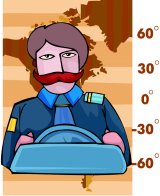 1 When Columbus first mentioned that the Earth was round, he had very few supporters. However, once he was lost and proved his hypothesis, a completely new area of science emerged. Cartography, or the science of designing maps, became extremely important to explorers and sailors who were seeking new lands to inhabit. It's still important today because maps are the reason we know more information about the changes to our planet's surface, and we are able to locate specific places on Earth.
 |
Create Weekly Reading Books
Prepare for an entire week at once! |
| Leave your feedback on It's The Great Circle, Columbus! (use this link if you found an error in the story) |
|
Earth Science
|
 |
High School Reading Comprehensions and High School Reading Lessons
|