
Worksheets and No Prep Teaching Resources
Reading Comprehension Worksheets
|
Worksheets and No Prep Teaching Resources Reading Comprehension Worksheets |
|
| edHelper's suggested reading level: | grades 6 to 8 | |
| Flesch-Kincaid grade level: | 7.13 |
|
Hurricanes of History
By Jane Runyon |
|
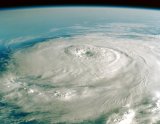 1 Hurricanes are powerful and destructive storms. Scientists have only been studying the effects and causes of hurricanes for the last hundred years or so. They have found evidence of hurricanes dating back thousands of years. Geologists studying a lake in Alabama discovered a layer of rock at the bottom of the lake. They found that the rock had been deposited there by a hurricane more than 3,000 years before.
 |
Create Weekly Reading Books
Prepare for an entire week at once! |
| Leave your feedback on Hurricanes of History (use this link if you found an error in the story) |