
Worksheets and No Prep Teaching Resources
Reading Comprehension Worksheets
Earth Science

Earth Science
|
Worksheets and No Prep Teaching Resources Reading Comprehension Worksheets Earth Science |
Earth Science |
| edHelper's suggested reading level: | grades 9 to 10 | |
| Flesch-Kincaid grade level: | 9.37 |
|
Mineral Super Store
By Trista L. Pollard |
|
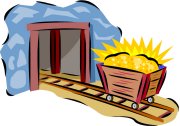 1 Located in the third spot from the sun, lies a mineral super store. It has taken millions of yeas, but our planet has formed over 3,000 different minerals in its crust. These mineral resources fall into two categories- metals and nonmetals. The majority of these mineral resources are mined for our consumption.
 |
Create Weekly Reading Books
Prepare for an entire week at once! |
| Leave your feedback on Mineral Super Store (use this link if you found an error in the story) |
|
Earth Science
|
 |
High School Reading Comprehensions and High School Reading Lessons
|