
Worksheets and No Prep Teaching Resources
Reading Comprehension Worksheets
Fossils
Earth Science
Fossils
|
Worksheets and No Prep Teaching Resources Reading Comprehension Worksheets Fossils Earth Science |
Fossils |
| edHelper's suggested reading level: | grades 9 to 10 | |
| Flesch-Kincaid grade level: | 9.86 |
|
Earth Files - The Fossil Record
By Trista L. Pollard |
|
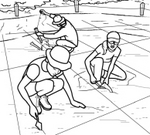
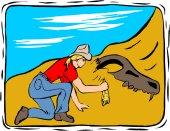 1 Imagine having no knowledge of the dinosaurs and early animals that roamed our planet! What if we did not learn about the prehistoric plants and insects that made up the forests and plains of Earth? Without fossils our understanding of Earth's early history would be non-existent.
 |
Create Weekly Reading Books
Prepare for an entire week at once! |
| Leave your feedback on Earth Files - The Fossil Record (use this link if you found an error in the story) |
|
Fossils
|
 |
Earth Science
|
 |
High School Reading Comprehensions and High School Reading Lessons
|
 |
Science
|