
Worksheets and No Prep Teaching Resources
Reading Comprehension Worksheets
Ancient China
Ancient China
|
Worksheets and No Prep Teaching Resources Reading Comprehension Worksheets Ancient China |
Ancient China |
| edHelper's suggested reading level: | grades 9 to 12 | |
| Flesch-Kincaid grade level: | 8.87 |
| Print Lin Zexu and First Opium War (font options, pick words for additional puzzles, and more) |
| Quickly print reading comprehension |
| Print a proofreading activity |
|
Lin Zexu and First Opium War
By Vickie Chao |
|
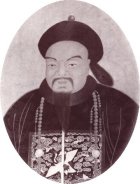 1 Have you ever heard the phrase "Timing is everything"? This particular expression is a perfect explanation for what happened to China's last imperial dynasty, the Qing Dynasty (1644 - 1911). In the early days of this mighty empire, its rulers carried out many popular reforms to stabilize the society and to stimulate the economy. Among them were three emperors (Kangxi, Yongzheng, and Qianlong) who were often singled out for their work in creating a time of peace and prosperity for China. During their reign, the ports were teeming with foreign ships. But the arrival of European traders and missionaries did not sit well with the Chinese. For one, they had little interest in having anything to do with foreigners. Thinking that their country was the greatest in the whole world, they found it degrading to deal with people from overseas. To curtail any influence the Europeans could inflict upon the Chinese, the Qing emperors continued the practice from the Ming dynasty (1368 - 1644) and set strict guidelines limiting what foreigners could do on Chinese soil. In 1757, Emperor Qianlong issued a new policy that made Guangzhou the only port of call for docking a foreign vessel. (Previously, there were four.) When a ship did come in, its passengers were not allowed to disembark. When it was necessary for foreigners to be on land for whatever reason, their visits were to be short and supervised. As far as missionaries were concerned, only a handful of them could stay in China. The others were all turned back.
 |
Create Weekly Reading Books
Prepare for an entire week at once! |
| Leave your feedback on Lin Zexu and First Opium War (use this link if you found an error in the story) |
|
Ancient China
|
 |
High School Reading Comprehensions and High School Reading Lessons
|
 |
Social Studies
|