
Worksheets and No Prep Teaching Resources
|
Worksheets and No Prep Teaching Resources |
Pennsylvania, the Beginning of Freedom |
| edHelper's suggested reading level: | grades 4 to 6 | |
| Flesch-Kincaid grade level: | 10.62 |
| Print Pennsylvania, the Beginning of Freedom (font options, pick words for additional puzzles, and more) |
| Quickly print reading comprehension |
| Print a proofreading activity |
| Leave your feedback on Pennsylvania, the Beginning of Freedom (use this link if you found an error in the story) |
|
Pennsylvania, the Beginning of Freedom
By Maggie Parke |
|
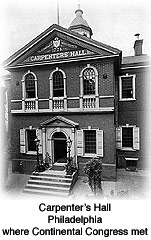 1 Before being discovered by Europeans, Pennsylvania was inhabited by groups of Native Americans. The Native Americans lived very simple lives. Several tribes known to live in Pennsylvania were the Delawares, the Susquehannocks, the Shawnees, and the Iroquois Confederacy which included the Mohawks, Oneidas, Onodagas, Cayugas, and Senecas. It is unclear who the first European was to discover Pennsylvania, but it is suspected that a gentleman by the name of Henry Hudson explored the Delaware Bay area and claimed it for the Dutch. It wasn't until 1681 that William Penn acquired the charter giving him ownership of the land between New Jersey and Maryland, which he named Pennsylvania (meaning Penn's woods).
 |
Create Weekly Reading Books
Prepare for an entire week at once! |