edHelper.com
Macramé


Macramé
Reading Level
     edHelper's suggested reading level:   grades 4 to 6
     Flesch-Kincaid grade level:   5.58

Vocabulary
     challenging words:    knots, hemp, springy, twine, versatile, unique, fans, easily, material, jewelry, artists, travels, relax, durable, merchant, people
     content words:    Two Coins


Print Macramé
     Print Macramé  (font options, pick words for additional puzzles, and more)


Quickly Print - PDF format
     Quickly Print: PDF (2 columns per page)

     Quickly Print: PDF (full page)


Quickly Print - HTML format
     Quickly Print: HTML


Proofreading Activity
     Print a proofreading activity


Feedback on Macramé
     Leave your feedback on Macramé  (use this link if you found an error in the story)


Macramé
By Colleen Messina
  

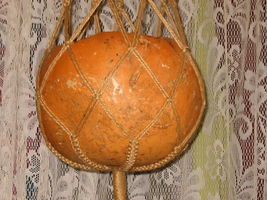
1     Some people use art to relax when their stomachs feel tied up in knots. And some people use knots to make art. Macramé is the ancient art of using twine or string and knotting patterns and designs with it. Macramé can create anything from jewelry to plant holders. Over the centuries, many countries have developed unique uses for this unusual, versatile craft.
 
2     If magical flying carpets ever existed, they probably had macramé fringes along their edges. In the real world, 13th-century Arabian weavers started the art of macramé. They made fringes on the edges of towels, shawls, and veils. The word, macramé, comes from an Arabic word migramah. This word could be translated in several ways. It could mean a striped towel or ornamental fringe. It could also refer to an embroidered veil.
 
3     Macramé spread to Europe in the 14th and 15th centuries. It spread from the Arabic world via sailors on merchant ships. The sailors saw macramé objects on their travels. They learned how to do it. Soon, the salty sailors used macramé to pass the time on their long voyages. They liked tying square knots and hitch knots. Eventually, seamen called this craft "square knotting." They made springy hammocks to swing on. They created other items for the ship. They even used the items they made for trade when they went ashore.

Paragraphs 4 to 8:
For the complete story with questions: click here for printable


Copyright © 2009 edHelper